Kahi wai aʻo ʻAlekoki
Ua hoʻokohu ka ua i uka
Noho mai la i Nuʻuanu
Anuanu makehewa au
Ke kali ana i laila
Ka ʻino paha ua paʻa
Koʻu manaʻo i ʻaneʻi
ʻI ʻō i ʻaneʻi au
Ka piʻina aʻo Maʻemaʻe
He ʻala onaona kou
Ka i hiki mai i ʻaʻnei
Ua malu nēia kino
Ma muli aʻo kou leo
Kau nui aku ka manaʻo
Kahi wai aʻo Kapena
Pania pa`a ia mai
Nā mana wai aʻo uka
Ma luna aʻe no au
Ma nā lumi liʻiliʻi
Ma waho aʻo Māmala
Hao mai nei ehuehu
Pulu au i ka hunakai
Kai heʻaheʻa i ka ʻili
Ho`okahi no koa nui
Nāna e ʻalo ia ʻino
ʻInoʻino mai nei luna
I ka hao a ka makani
He makani ʻaha ʻilono
Lohe ka luna i Pelekane
A `oia pô uli nui
Mea ʻole i kuʻu manaʻo
E kilohi au i ka nani
Nā pua o Maunaʻala
Haʻina mai ka puana
Kahi wai a`o ʻAlekoki
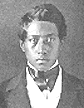
William Charles Lunalilo 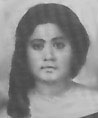
Princess Victoria Kamamalu 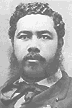
David Kalâkaua
Waters of Alekoki
Like the rains of the uplands
Sitting this side of Nu`uanu
Cold forsaken me
Waiting here
Believing with certainty
Your thoughts were of me
Here I am
At Mae`ma`e hill
Where your sweet fragrance
Has come to me
This body is captive
To your voice
Thoughts linger
At the waters of Kapena
Blocked
Upland streams
And I am above
In little rooms
Outside Māmala
Spray flurries
And I am wet with foam
And sea slippery to the skin
One brave man
Faces the storm
The storms above
And the blustering wind
A wind bringing news
That the king of England hears
This deep black night
Cannot worry me
I behold beauty
And the flowers of Mauna`ala
Tell the refrain
Waters of Alekoki
Source: Nâ Mele o Hawai`i Nei by Elbert & Mahoe. There are similar versions in Echo of Our Song by Mary Pûku`i, King's Song's of Hawai`i, Johnny Noble`s Hawaiian Hula and Emerson's Unwritten Literature of Hawai`i, the difference being primarily the placement of verses and stanzas. - This chant, a lover's complaint was composed about 1850. Oral tradition credits this to Prince William Charles Lunalilo (1835-1874) and tells of his supposed meeting with Princess Victoria Kamamalu (1838-1866) and disappointment when she did not arrive and was forbidden to marry him. Their parents had planned their marriage from infancy and their children would have been of a higher rank than the princess or her brothers. This may have been the reason for the opposition to this match. He reproaches the princess for rejecting his love. The rain, which lingers in the uplands, is his brooding affection. The cold, storm and the tempest that rages at Mâmala and fills the heavens with driving scud, represents the violent opposition in the royal court to this love match. Mâmala is the waters just outside of Honolulu Harbor. The tale-bearing wind is the gossip that follows the storm of scandal. The princess misbehaved with Mr. Monsarrat. Ma`ema`e is the hill between Nu`uanu and Pauoa valleys. Pelekane is Beretania or the Hawaiianized form of Britain and refers to the palace grounds and vicinity. This is an allusion to King Kamehameha IV. Some believe Kalâkaua wrote this about his rendezvous with a beautiful girl at Alekoki, a pool in Nu`uanu Valley just below Kapena Falls, covered when the freeway was built. The melody, by Lizzie Alohikea, has evolved over the years, but many musicians today, incorporate both tunes, using a different melody on the verses. Copyright 1927, 42 Charles E. King Music clip of older melody by Lani Lee.